Author
About Nora Blackwell
nora@2104publishing.com Press, reviews & reader mail
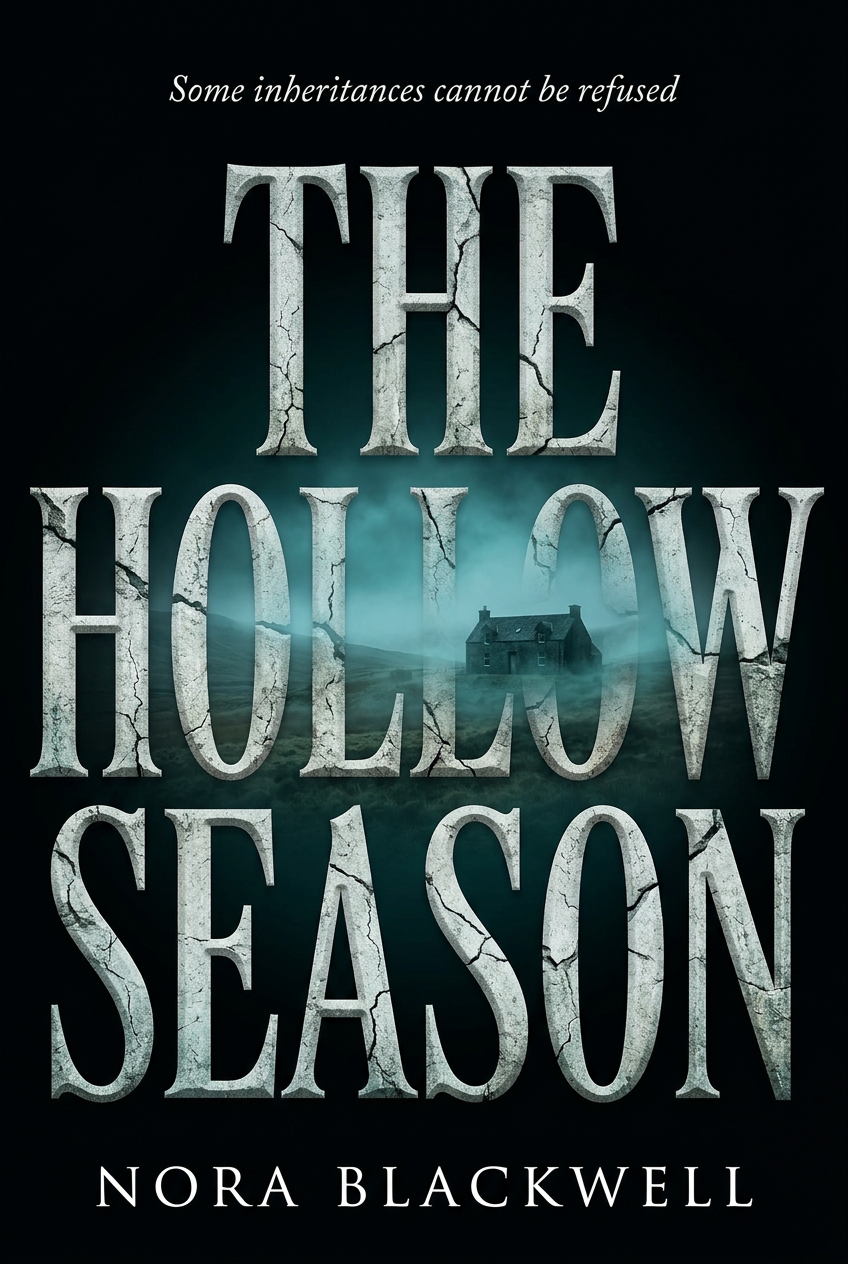
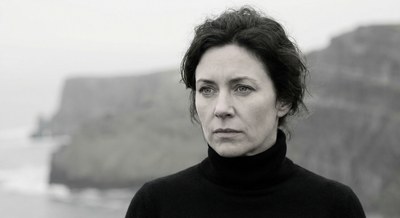
Nora Blackwell grew up in the rural English countryside, in a house her grandmother swore was never quite right. Doors that opened on their own. Corners that felt colder than they should. A particular silence in the upstairs hall that her grandmother refused to explain. Nora learned early that some unease is inherited - and that the most unsettling stories are the ones rooted in the real.
She spent her childhood reading by flashlight under the covers, working her way through her mother's shelf of old horror paperbacks before she was old enough for them, and writing stories that kept her siblings awake at night. By her teenage years, she'd filled four notebooks with atmospheric tales of isolated houses, strange visitors, and the particular dread of not quite knowing what was wrong.
After studying English Literature at Durham University, Nora spent a decade working as an archivist in London - cataloguing the forgotten letters of people long dead, cross-referencing histories that no one living remembered. It was quiet work, and meticulous, and she found it genuinely strange: preserving the voices of the vanished, making order from what remained. She has said that archiving taught her something essential about atmosphere - that the most chilling thing is often what's missing from the record.
She eventually left London for a small house on the Northumberland coast, where she now writes full time. The house is exposed to the sea wind and older than anything she has owned before. She has found, she says, that living somewhere with genuine character - with actual history in the walls - has changed how she writes about place.
Nora's literary influences include Darcy Coates, whose prolificity and instinct for the haunted domestic she admires; Shirley Jackson, whose work she has returned to every few years since university; and A.M. Shine, whose Irish folk horror she considers among the finest atmospheric writing of the current decade. What she draws from each is the same thing: the understanding that real horror is not gore or shock but dread - and that dread requires patience.
Her writing process reflects this. She begins every novel with place: a property, a landscape, a quality of light in a particular season. The character comes second, and the threat comes last - sometimes so slowly she herself isn't sure what it is until deep into a second draft. She writes in longhand in the mornings, types in the afternoons, and considers a good day's work to be two pages that made her uncomfortable.
Her protagonists are always women in transition - grief, escape, new starts, the disorienting freedom of change. She has described this as unconscious at first, but she now considers it essential. A character who has lost something, or is fleeing something, or is trying to become something new, brings a particular kind of openness to strange experiences. The architecture of their psyche is already in flux. Horror finds those cracks.
Nora's approach to atmosphere is distinctive in its emphasis on the non-visual. Sound and smell, she argues, are the true currencies of dread. The creak that happens twice. The scent of something that can't be there. The quality of silence that means a room is holding its breath. She distrusts horror that relies on spectacle, and her fiction reflects it: you are told almost nothing directly, but by the end of a scene you are certain something is wrong.